
The Allure of Chance and Risk
The allure of casino games is deeply rooted in the human fascination with risk and chance. From the glimmer of slot machines to the strategic gameplay of poker, these games challenge players to confront their feelings about uncertainty. The thrill of not knowing the outcome fuels excitement, creating a psychological high that draws individuals into the gaming experience. Players often find that the unpredictability of casino games taps into a primal instinct, providing an adrenaline rush akin to that experienced in extreme sports. This inherent thrill is often amplified by the perception that skill can play a role in outcomes, even in games that are fundamentally based on chance, like the neosurf online casino australia where players can enhance their strategy.
This fascination with risk is explained by the phenomenon known as the “illusion of control.” This psychological concept refers to the tendency of individuals to believe they can influence outcomes that are, in reality, purely random. For example, many players attribute their wins to skill or strategy rather than luck, which can reinforce their desire to play. This false sense of control can lead to repeated gambling, illustrating how the psychological drive for mastery can intertwine with a game of chance. By believing they can sway the odds, players become more invested in their games, often leading to prolonged gaming sessions.
Moreover, the design of casino environments enhances these psychological effects. Casinos often employ bright lights, vibrant colors, and engaging sounds to create a stimulating atmosphere that keeps players excited. These sensory experiences can heighten arousal and reinforce spending behaviors as players become more invested in their games. In this way, the casino itself becomes a psychological playground where chance, risk, and sensory engagement converge to create an irresistible allure, leading to an environment where players are encouraged to take risks they might otherwise avoid.
The Role of Reward Mechanisms
Reward mechanisms play a pivotal role in the psychological dynamics of gambling. Neurotransmitters, such as dopamine, are released in the brain when players experience wins, enhancing feelings of pleasure and satisfaction. This chemical response can create a feedback loop where players seek more games to replicate the euphoric sensations associated with winning. This experience is comparable to the way certain addictive substances operate, signaling how gambling can be not just a pastime but an emotionally charged process that triggers cravings for more. The anticipation of rewards can be just as stimulating as the rewards themselves, reinforcing the cycle of play.
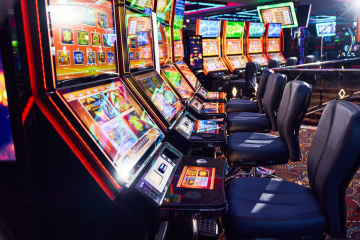
The concept of variable rewards further complicates this dynamic. Unlike fixed rewards, variable rewards provide unpredictable outcomes, which can create intense excitement and a stronger compulsion to play. Slot machines, for example, are engineered to deliver wins at random intervals, keeping players engaged as they anticipate their next big hit. This unpredictability reinforces the gambling experience, making it difficult for individuals to resist the temptation to continue playing, even amid losses. The thrill of never knowing when the next win will occur keeps players on the edge of their seats, further entrenching them in the gaming cycle.
Understanding these reward mechanisms highlights why some individuals may develop problematic gambling behaviors. The combination of intense emotional highs from wins and the hope of future rewards can lead to a cycle of chasing losses, where players continue to gamble in hopes of recapturing the thrill of past wins. This psychological pattern can entrench individuals in gambling habits, emphasizing the need for awareness and responsible gaming practices. Recognizing the triggers that lead to excessive gambling can help players maintain a healthier relationship with casino games.
The Impact of Social Interaction
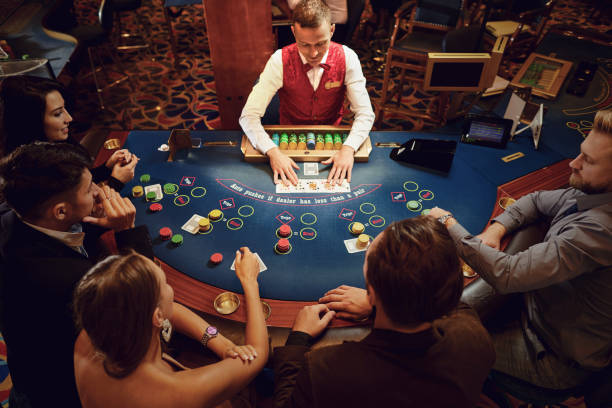
Social interaction also plays a significant role in the appeal of casino games, adding a layer of complexity to the psychological experience. Casinos provide a social environment where players can connect with others, celebrate victories, and share in the thrill of the game. The camaraderie experienced at tables or slots can enhance enjoyment and create a sense of community, which can be highly appealing for many individuals. This social aspect may lead players to gamble more frequently than they otherwise would, driven by the desire for connection and shared experiences. Engaging with others can turn individual play into a social event, further enriching the gaming experience.
Furthermore, social dynamics can influence gambling behavior in various ways. For instance, players may adopt certain strategies or play styles based on observing others, a behavior rooted in social learning. This element of mimicry can enhance engagement and enjoyment, making the experience more immersive. Additionally, the presence of friends or companions can provide a safety net for players, making them feel more secure in their choices to gamble and potentially leading to increased spending. The social validation received from peers can encourage players to take bolder risks, further complicating their gambling behaviors.
However, social interaction in casinos can also have negative effects. Peer pressure may encourage individuals to gamble beyond their means, contributing to financial strain or other issues. The desire to fit in or maintain social connections can sometimes override personal limits, leading to risky gambling behaviors. It is essential for players to navigate these social dynamics with an awareness of their limits and the potential for both positive and negative influences. Establishing boundaries within social contexts can help mitigate the risks associated with gambling in group settings.
The Influence of Casino Design
Casino architecture and design play a crucial role in shaping the psychological experience of gambling. From the layout to the décor, casinos are meticulously crafted to maximize engagement and spending. The absence of clocks and windows can create a timeless atmosphere, allowing players to lose track of time and immerse themselves fully in the gaming experience. This deliberate design encourages prolonged play, often leading to increased expenditures without players realizing how long they have been gambling. The strategic use of space can guide players through the casino in a way that continually entices them to participate in more games.
Moreover, the strategic placement of games and the flow of the casino floor are designed to keep players intrigued. High-stakes games may be located in prime areas to attract attention and create a sense of importance, while stimulating environments surround lower-stakes areas to promote accessibility. This blend of visibility and allure promotes a continuous cycle of engagement among players, capitalizing on their psychological tendencies toward exploration and curiosity. The way a casino is organized can significantly influence a player’s path and decisions, often leading them to spend more time—and money—than initially intended.
The sensory elements of casinos, such as music, lighting, and scent, further enhance the overall experience. Upbeat music can elevate mood, while subtle scents may trigger positive emotions, making players feel more comfortable and happy while gambling. By combining these elements, casinos create an environment that not only invites players in but also compels them to stay longer, reinforcing the psychological connection between players and the gaming experience. This carefully curated atmosphere fosters an environment where players feel both energized and relaxed, which can further drive their desire to engage with the games.
Your Journey into Gaming Psychology Starts Here
Understanding the psychology behind casino games is vital for anyone interested in the dynamics of gambling, whether for personal insight or academic exploration. The intricate interplay of chance, risk, social influence, and environmental design shapes how individuals perceive and engage with gambling. By recognizing the psychological factors at play, players can make informed decisions and navigate their gaming experiences responsibly. Awareness of these dynamics can empower players to enjoy the thrill of gaming while maintaining control over their gaming habits.
Our website serves as a resource to delve deeper into these fascinating psychological dynamics. With a wealth of articles, expert insights, and shared experiences, we aim to empower individuals with knowledge that fosters positive gaming habits. We believe that informed players can enjoy the thrill of casino games while maintaining control over their gambling behaviors. The more knowledge players acquire about the psychological aspects of gambling, the better equipped they are to manage their experiences.
Join us on this journey of discovery as we unravel the complexities of gaming psychology. Our commitment to responsible gaming ensures that players can enjoy the excitement and entertainment of casino games while prioritizing their well-being. By fostering awareness and understanding, we strive to create a community that appreciates the fun of gaming while respecting individual limits. Together, we can promote a healthier and more enjoyable gambling environment for everyone involved.